EN
TITAN / VECTOR / SHIFT · Launching soon

Three frames.
Your next build.

One design. Two ways to own it: 3MF files for your own build, or a physical case made by us.

DESIGNED & MANUFACTURED IN AUSTRIA
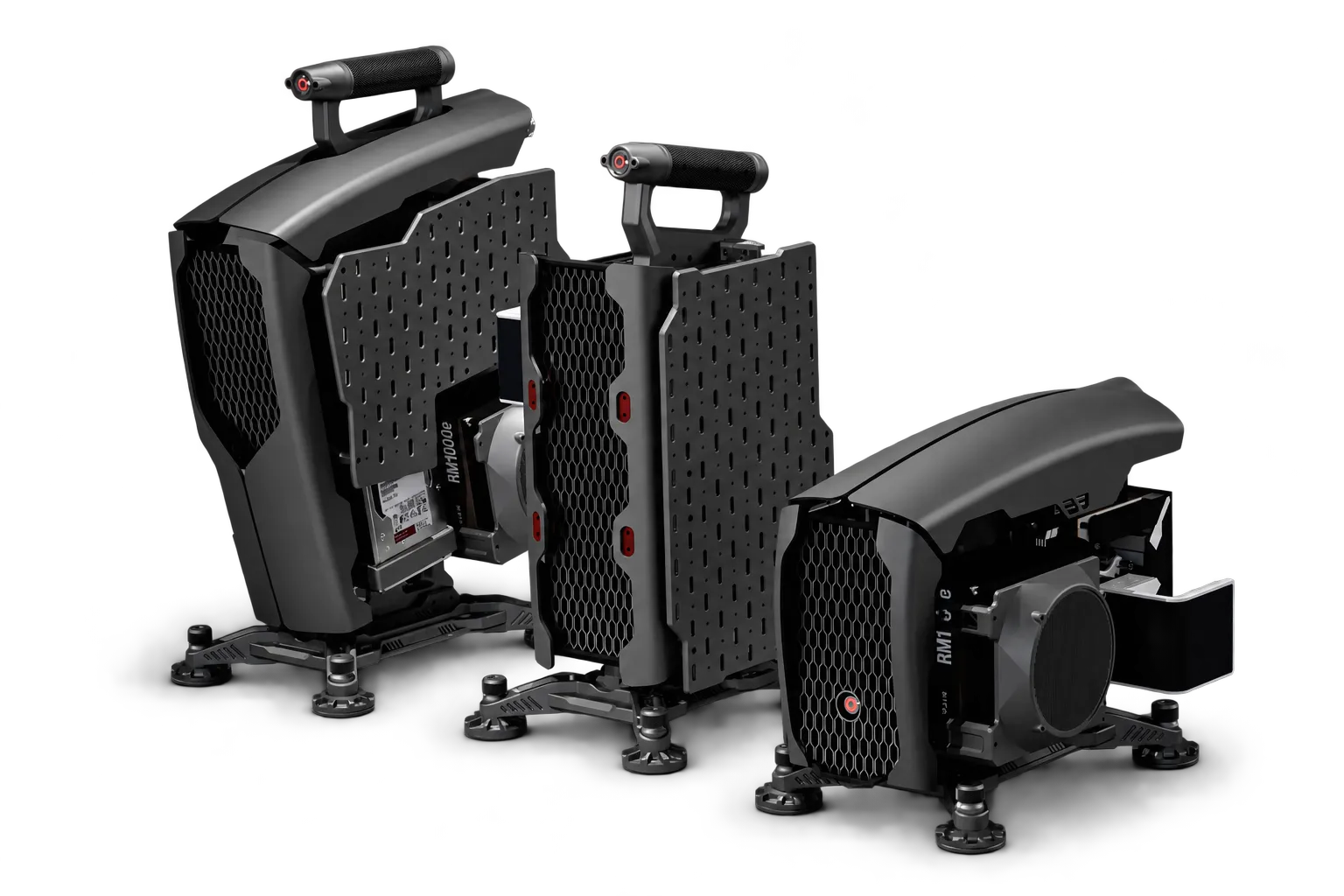
TITAN, VECTOR and SHIFT shown together
The countdown starts here

One design.
Two ways to own it.

Buy 3MF digital files on MakerWorld.
Buy a physical case on Kickstarter.

Both crowdfunding campaigns are coming soon. Follow the project for launch timing, model details and campaign announcements.

Compare the two ways to get one
CROWDFUNDING COMING SOON

Be there at the beginning.

Get the launch announcement, campaign details and project updates. One design, two ways to own it: 3MF files for your workshop, or a physical ExtruFrame case.

—Days
—Hours
—Minutes
—Seconds

Launch: November 3, 2026 at 6:00 PM · Vienna time

02 / Meet the family

THREE FRAMES.
SHARED POSSIBILITIES.

Choose the motherboard format and silhouette that suit your build. Keep the same freedom to configure, personalize and make it yours.

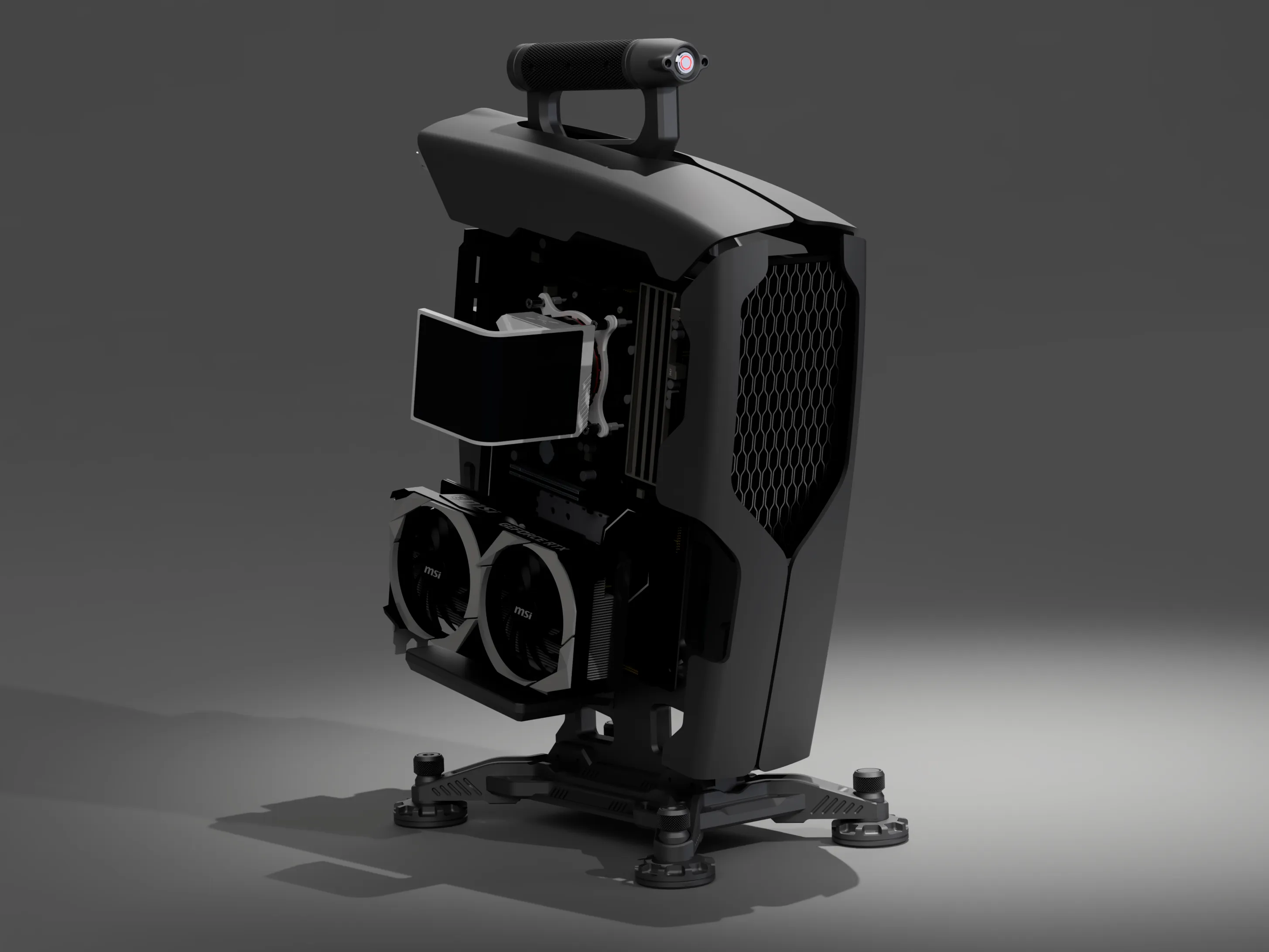
TITAN assembled design01Room to explore

TITAN

ATX / Micro-ATX / Mini-ITX · Full-size

The largest ExtruFrame brings the family’s modular approach to full-size builds. Start with an ATX motherboard, or use Micro-ATX and Mini-ITX hardware to shape your own layout.

Motherboards
ATX / Micro-ATX / Mini-ITX
Liquid cooling
240 / 360 mm
Graphics card
Up to 380 mm · 1–4 slots
ATX power supply
140–180 mm body length
Configuration
Modular · Optional pegboard & armor
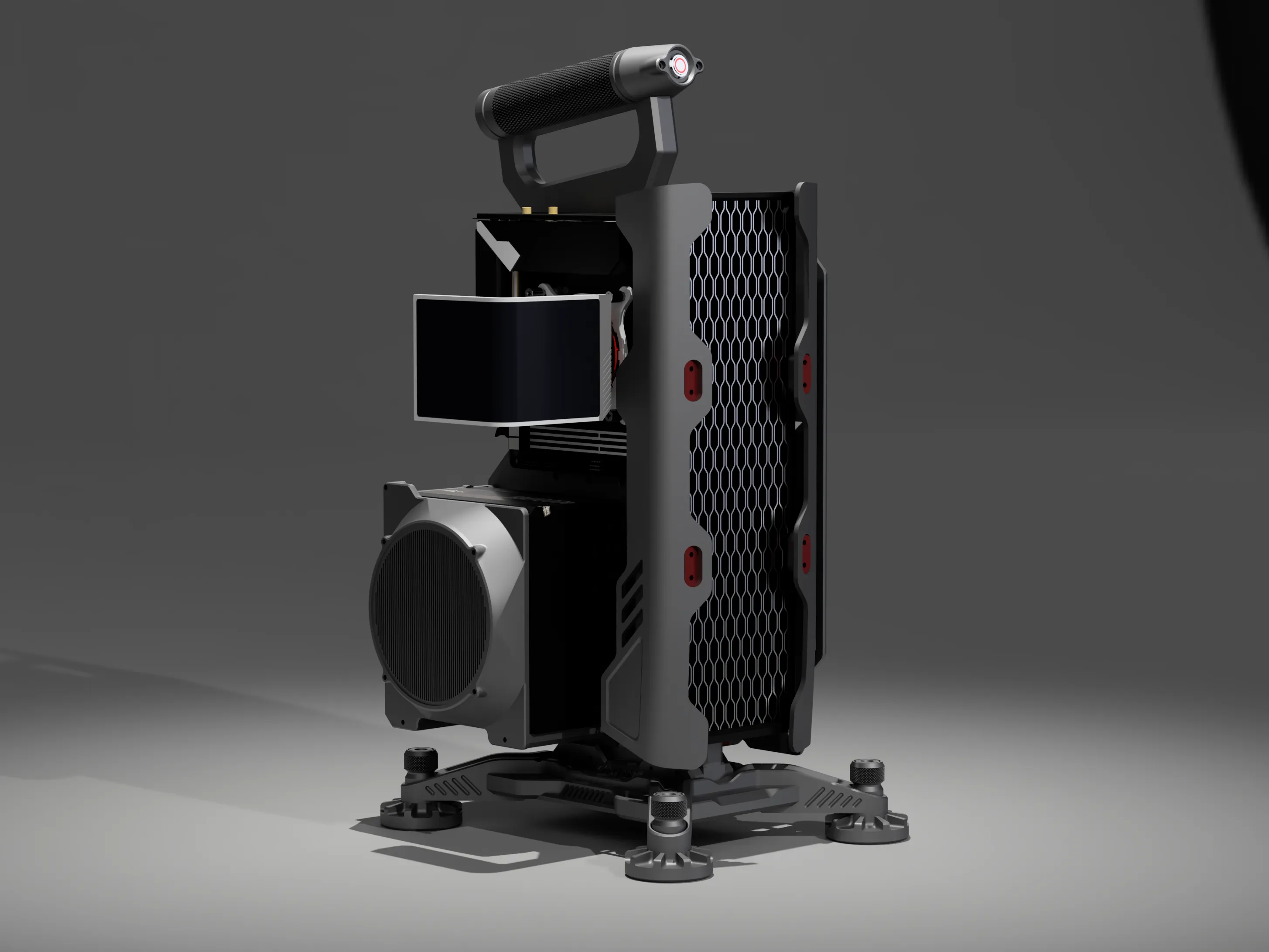
VECTOR assembled design02A focused foundation

VECTOR

Mini-ITX · Tower

An ITX-only platform for a build with a clear identity. Choose the modules that suit your hardware, then decide how much of the structure you want to reveal.

Motherboards
Mini-ITX
Liquid cooling
240 / 360 mm
Graphics card
Up to 380 mm · 1–4 slots
ATX power supply
140–180 mm body length
Configuration
Modular · Optional pegboard & armor
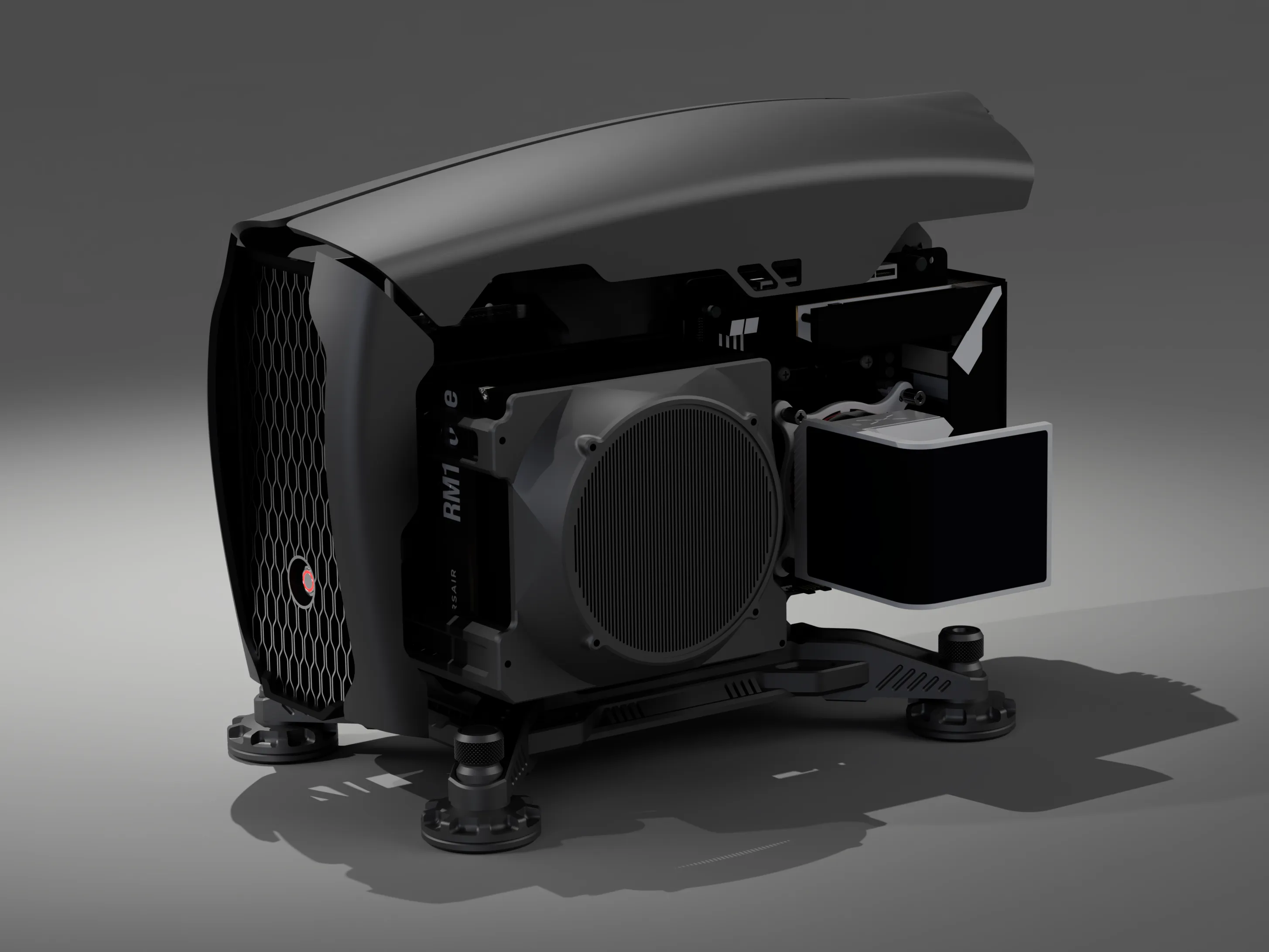
SHIFT assembled design03Another way to build

SHIFT

Mini-ITX · Low-profile

A second ITX-only design with its own silhouette. Explore a different expression of the same modular system, with the freedom to choose your cooling, panels and finishing details.

Motherboards
Mini-ITX
Liquid cooling
240 / 360 mm
Graphics card
Up to 380 mm · 1–4 slots
ATX power supply
140–180 mm body length
Configuration
Modular · Optional pegboard & armor
Choose a case to explore its specifications, compatibility and dedicated gallery.

01 / The design

YOUR HARDWARE.
YOUR EXPRESSION.

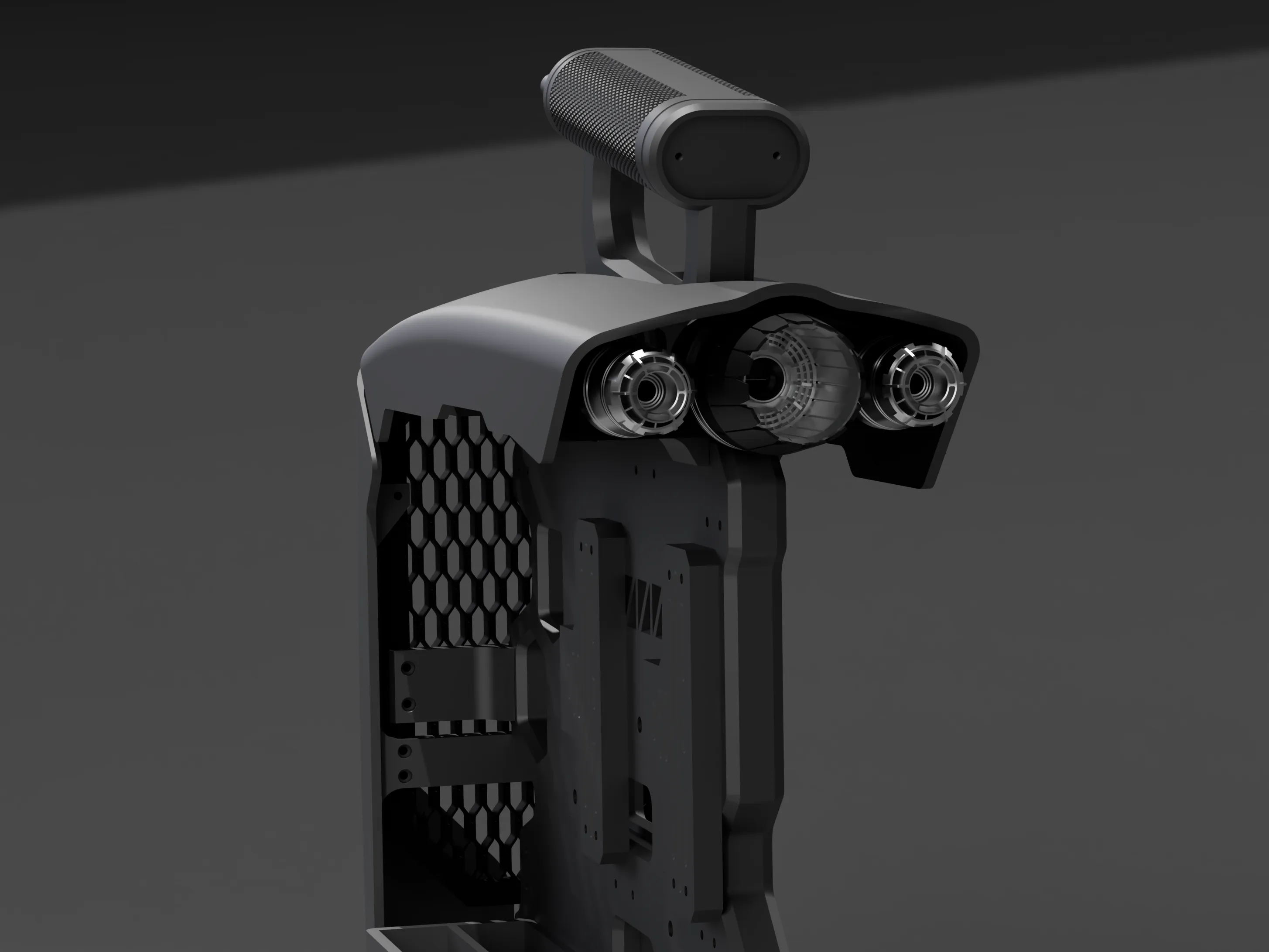
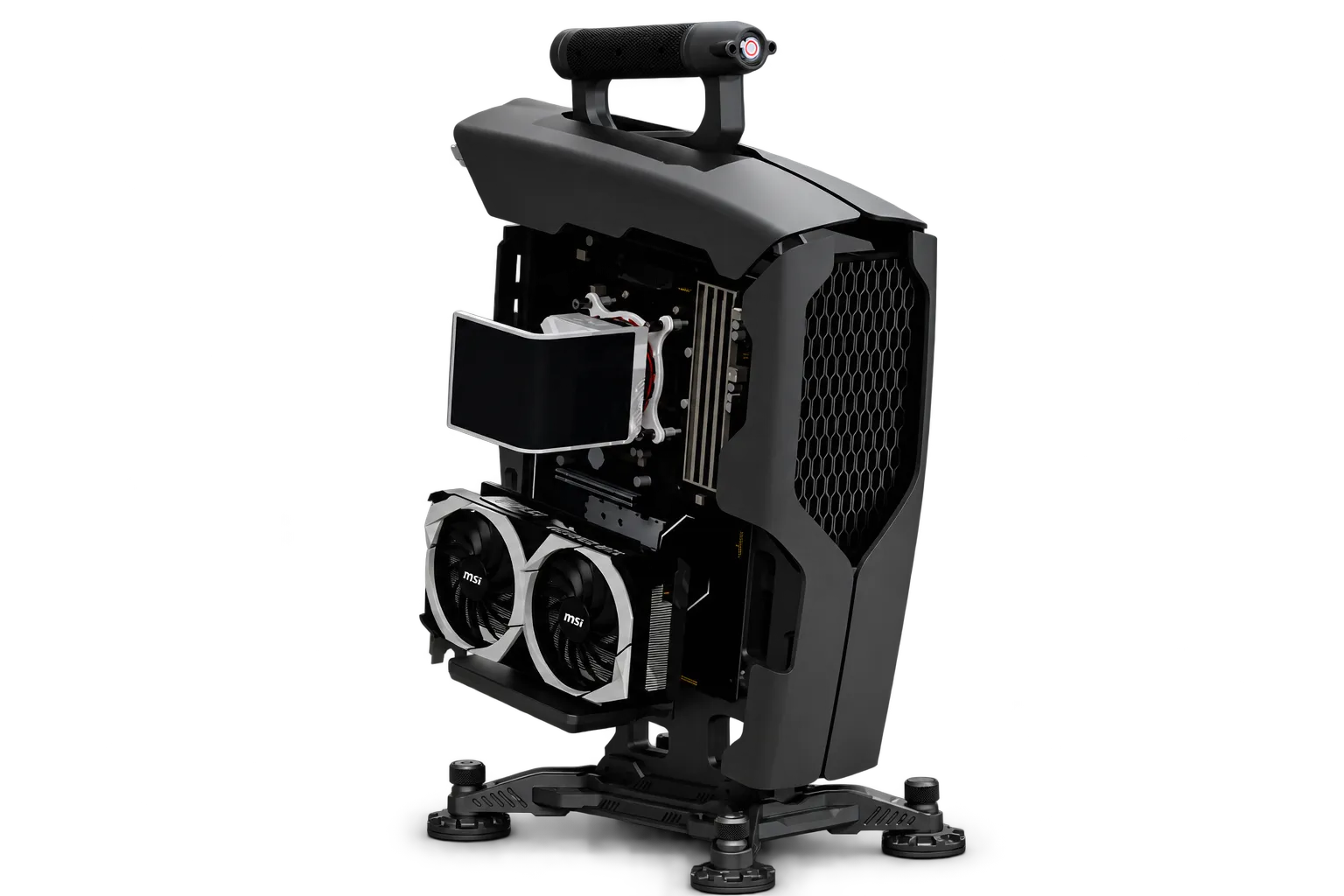
ExtruFrame puts the architecture of your PC on display. Three distinct cases combine an open structure with configurable modules, so your build can reflect the hardware you choose and the way you like to make.

Full-size frame handle, armor and exposed mounting structure
01

Hardware,
in the open.

Let the motherboard, graphics card and cooling become part of the composition. The open structure gives every component a visible place in the build.

02

A closer look.

Add armor for a more sculpted silhouette, install a SKÅDIS pegboard for accessories, or leave the frame exposed. The finishing choices belong to you.

Explore the complete gallery
03 / A system, shaped by you

START WITH A FRAME.
MAKE IT YOURS.

Choose the parts. Change the look. Add your own ideas. Modularity is the starting point for every ExtruFrame build.

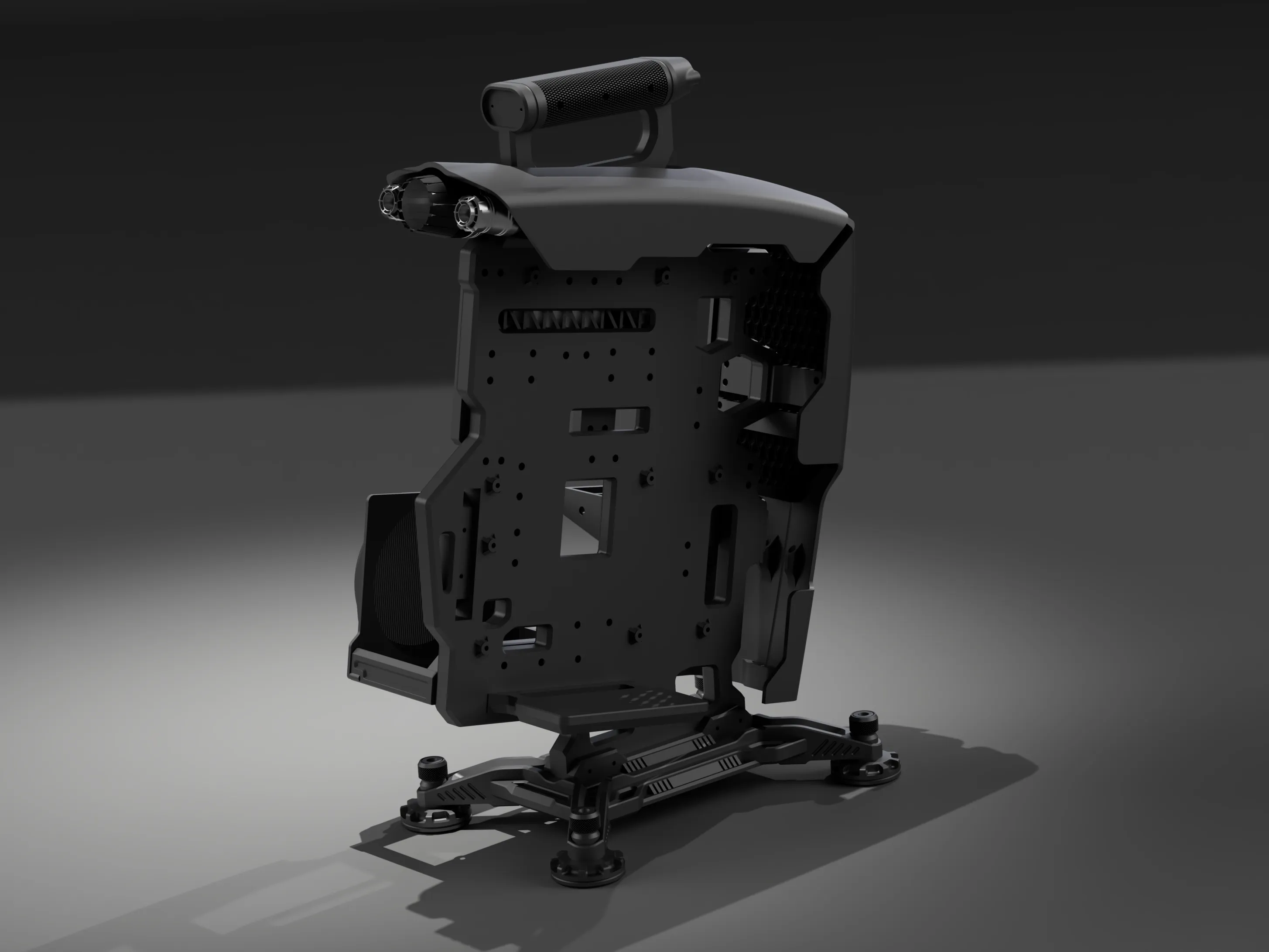
Bare modular frame01 /

Configure the frame.

Build around what you need. The pegboard is optional, water-cooling hardware can be selected to suit the build, and armor panels let you decide how open or enclosed the final look should feel.

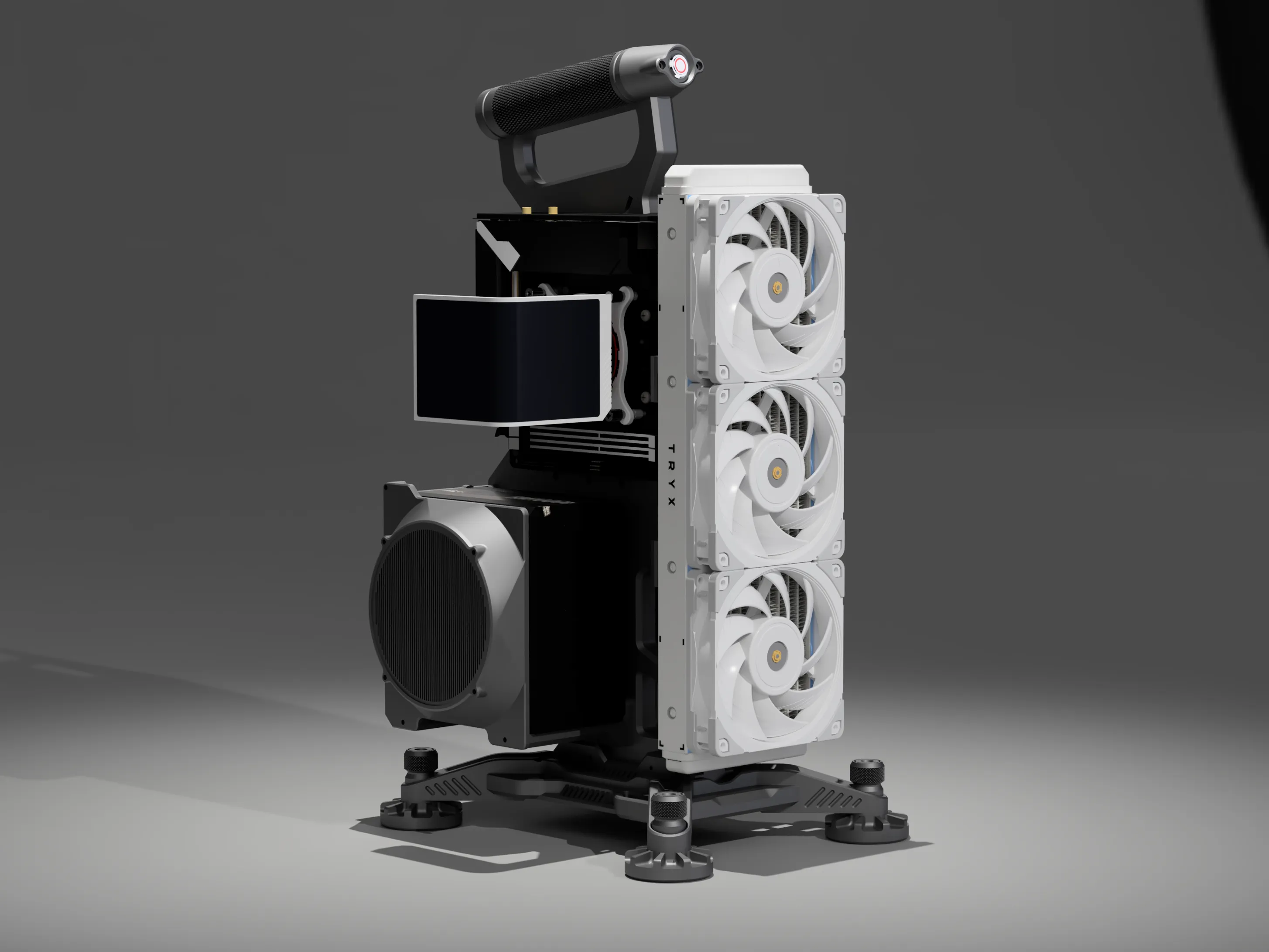
ITX tower with exposed three-fan radiator02 /

Give cooling its space.

All three cases support 240 mm or 360 mm liquid-cooling radiator configurations. Choose your cooling setup alongside the other modules, so the layout and the visual character develop together.

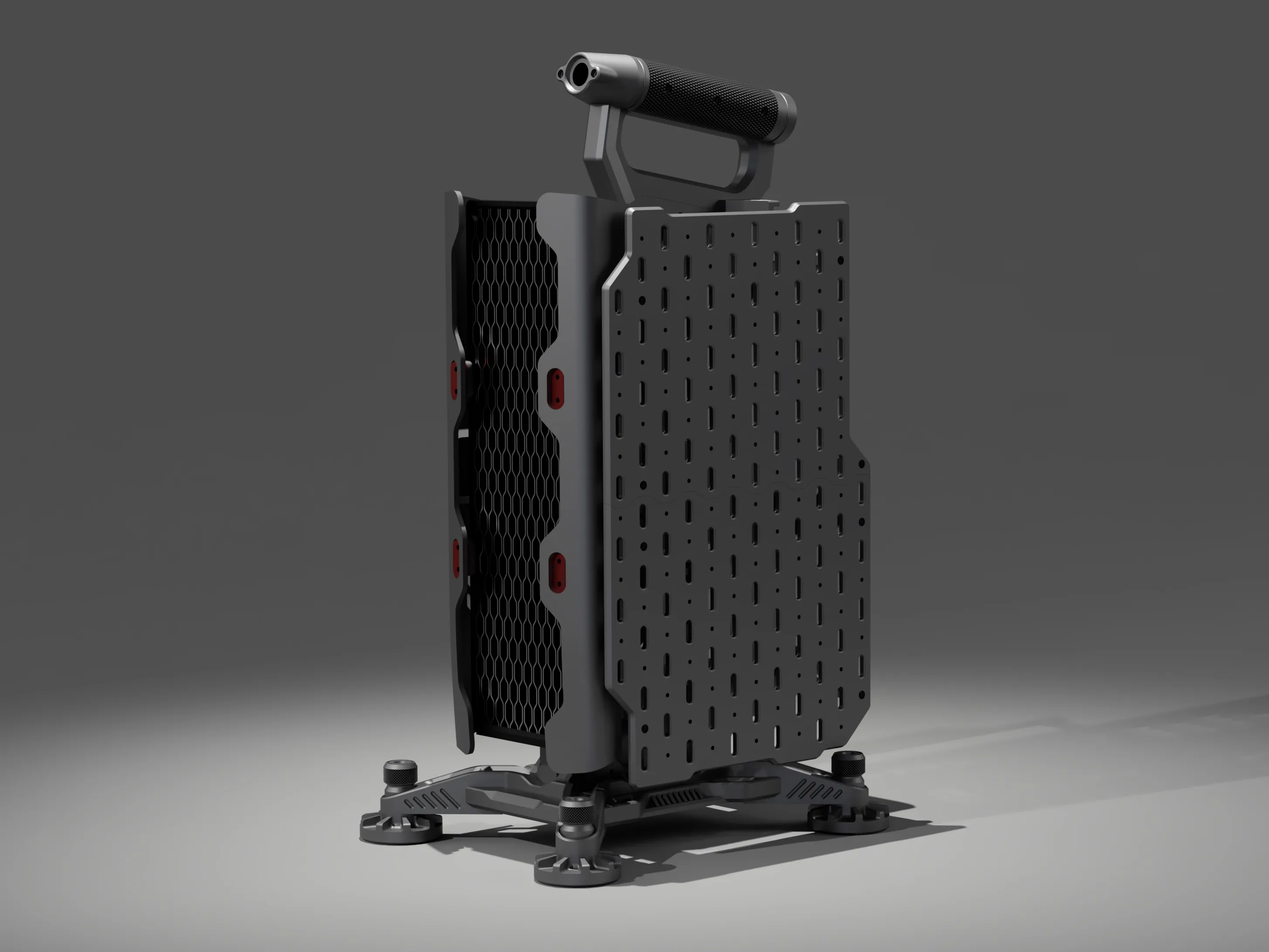
Optional SKÅDIS pegboard on ITX tower03 /

Make room for more.

The optional SKÅDIS pegboard adds another layer of customization. Use the mounting surface for compatible accessories and your own custom accessories, or leave it off to keep the frame visually open.

Handle and armor detail on full-size frame04 /

Change the surface.

Selected components, including front panels and power-supply covers, are planned to be available as editable STP files. Bring them into your CAD workflow and create your own patterns, cutouts and visual details.

04 / Beyond the supplied design

A CASE.
AND A CANVAS.

STP YOUR CAD YOUR DESIGN

The front panel can carry your signature.

Imagine a geometric grille, a personal emblem or a pattern that ties the whole build together. Editable STP geometry for selected components gives you a starting point for those ideas, without having to redraw the part from scratch.

Front panels and power-supply covers are among the components planned for customization. Keep the interfaces your build depends on, and bring your own approach to the visible surfaces.

File availability and customization guidance will be detailed in the campaign.
05 / Materials & manufacturing

Materials with purpose.
Made around you.

ExtruFrame combines modular engineering with a new way to buy. Choose our physical case or the 3MF files to make the same design on your own equipment. PETG-CF is the default material; engineering alternatives are available by request.

PETG—CFThe default specification

Reinforced for the build.

Carbon-fiber-filled PETG gives the components their technical character. Rigidity comes from the complete design: material, geometry, wall structure, print orientation and the way the parts connect.

A rigid structure, rust-free composite surfaces and individually replaceable modules: our approach combines material choice with the practical benefits of a case that can be maintained and adapted.

01 / A different production route

Value in the process.

Instead of machining these components from solid billet, we build them layer by layer. For complex, configurable parts and small production runs, that approach can reduce machining and setup work, helping make a distinctive case more accessible.

02 / Change the part, not the whole case

Modularity, made practical.

Choose different panels, make a custom detail or produce a replacement manufactured module. The manufacturing approach supports the same flexibility that shapes the frame itself.

A lighter material. A different process.

Less mass.
More freedom to shape it.

A material-level illustration using a PETG-CF reference grade and industrial EN AW-6060 aluminum. Compare equal solid volumes, then explore how the manufacturing routes differ.

54%
lower material densityPETG-CF reference vs. aluminum 6060
PETG-CF · 1.25 g/cm³125 g
Aluminum 6060 · 2.70 g/cm³270 g

Calculated mass = density × solid material volume. The 54% figure is rounded from 53.7%. This is not a complete-case weight saving or an equal-strength comparison.

DESIGN PRODUCTION ASSEMBLY

Complexity, built in.

3D printing makes it practical to create shaped surfaces, ribs and customized modules without machining each feature out of a metal billet.

PETG-CF compositeDigital geometry
to a custom component
Orientation, walls and infill are part of the process.
CNC-machined aluminumStock material
to machined part
Tool access, workholding and finishing shape the process.
Material confidence / Structural thinking

Light in mass.
Serious about structure.

Carbon-fiber-filled PETG is a functional engineering material, chosen for a rigid, practical composite structure. ExtruFrame brings that material together with shaped sections, controlled printing and modular connections.

How a structural section worksConceptual section showing outer walls, internal ribs and an attachment point. This illustrates design principles, not a load test or a model-specific drawing.01 / WALLS02 / RIBS03 / JOINTS

Conceptual section · design principles, not a load-test result

01

Reinforcement with a purpose.

Carbon-fiber reinforcement can improve PETG stiffness, supporting crisp, stable functional parts. The selected grade and print direction determine the actual mechanical properties.

02

Geometry does the work.

Walls, ribs and connection points shape how a component carries load. Design-led geometry gives us freedom to put structure where the design needs it.

03

Keep the build in service.

The modular approach makes individual components replaceable. A changed panel or damaged module does not have to mean replacing the whole case.

No rust on components.

The polymer composite does not form the iron rust associated with steel. The manufactured component’s rust resistance does not rely on a painted metal surface.

Applies to the polymer composite parts; metal fasteners and PC hardware have their own material requirements.

Made for functional use.

PETG is widely used for mechanical parts and fixtures. The CF-filled formulation brings a stiffness-focused material option to the case’s structural design.

Finished-part performance follows the exact grade, geometry, layer bonding and assembly.

Adaptable over time.

Change the armor, adjust the accessory layout or print a new module. Maintainability comes from accessible parts and a design that can evolve with your hardware.

Compatible part files and assembly details will be specified with the campaign.
Material behavior & electrical properties +

“Rust-resistant” is not a claim of immunity to every chemical or environment. Cleaning-agent compatibility, heat exposure and long-term loading depend on the chosen filament and component.

PETG-CF is not advertised here as an electrical insulator or an ESD-safe material. Carbon filling can alter electrical behavior, and static dissipation requires a suitable grade with measured properties. Use the intended motherboard standoffs, mounting clearances and component handling practices.

01 / Value

Spend on the build.

For configurable, complex parts in small runs, printing can reduce machining setup and make customization more accessible. Final price depends on the actual configuration.

02 / Personalization

Change the file.

Selected editable STP components give you a starting point for custom front panels, patterns and PSU covers.

03 / Modularity

Renew a module.

Produce a replacement or a different component when you change the build, rather than replacing the entire case.

Reference data & comparison method +

PETG-CF density: 1.25 g/cm³, using Bambu Lab’s published grade as a reference, not a commitment to a specific production supplier. Aluminum: 2.70 g/cm³, Hydro EN AW-6060. Actual filament grades differ.

Density is the only material property plotted. Aluminum has substantially higher material stiffness and heat tolerance; manufactured-part behavior also depends on orientation, layer bonding, geometry and loading. These graphics do not establish equivalent strength, stiffness or thermal performance. Cost benefits are a production rationale, not a measured price-reduction claim.

PETG-CF reference Hydro 6060 datasheet

One design.
More material choices.

PETG-CF by default. Other engineering materials by request, including these options and more. Availability and pricing depend on the selected parts and production requirements.

PETG-CFDefault material +

Our starting point for the case components: carbon-fiber-filled PETG with a technical surface character and a balance of rigidity, everyday practicality and manufacturing cost.

The default ExtruFrame material. Exact filament grade and component print settings determine the finished properties.
ASA-CFBy request +

An alternative for builds where weathering and UV exposure are part of the material brief. Carbon-filled ASA offers a different balance of surface finish, stiffness and processing requirements.

Match the actual grade to the application; enclosure and thermal-control requirements depend on the filament.
ABS-GFBy request +

Glass-fiber-filled ABS is another engineering-material route for selected parts. It offers a different reinforcement system for customers choosing materials around a specific mechanical or thermal requirement.

Use the supplier’s technical data and process guidance. GF indicates glass fiber, rather than carbon fiber.
PET-CFBy request +

A carbon-fiber-filled PET option for an engineering-focused material specification. It expands the choices available when PETG-CF is not the preferred match for a component.

PET-CF and PETG-CF are distinct materials. Drying, printing and any post-processing must follow the selected grade.
PPS-CFSpecialist option +

For demanding engineering briefs, carbon-fiber-filled PPS brings a specialist material route. It requires a printer and process suited to the particular high-temperature filament.

Not an entry-level desktop-filament substitution. Confirm equipment capability, material handling and production feasibility first.
Explore materials & the printing workflow
07 / Built around real hardware

FAMILIAR PARTS.
NEW POSSIBILITIES.

Designed to accommodate the vast majority of popular PC hardware, ExtruFrame lets you start with the components you want. Pick the right motherboard format, choose a 240 mm or 360 mm liquid-cooling setup, then configure the surrounding modules.

Compare hardware support 380 mm graphics cards. 140–180 mm ATX PSUs. No case-imposed CPU cooler height or radiator/fan thickness limit.
Two ways to get ExtruFrame

Get the files.
Or get the case.

Two separate upcoming crowdfunding campaigns. Choose 3MF digital files and make the case yourself, or order the physical case from us.

01 / DIGITAL FILES

Get the 3MF files.

Choose the digital version of ExtruFrame, print the parts on your own equipment and assemble your build. A printer, filament and any required assembly hardware are separate from the digital files.

  • 3MF route for self-printing
  • Print the modules for your configuration
  • Selected editable STP components planned
Get the launch announcement
02 / PHYSICAL CASE

Get the physical case.

Prefer to buy ExtruFrame as a physical product? Choose the hardware campaign and explore the offered case and module configurations. Exact contents and assembly requirements will be listed with each reward.

  • Physical case made by ExtruFrame
  • Case and module options in the campaign
  • PC hardware is separate unless stated
Get the launch announcement
09 / A few things to know

BEFORE
YOU BUILD.

What material is the case made from?+

PETG-CF is the default material for the case components. Other engineering grades can be considered by request, including ASA-CF, ABS-GF, PET-CF and PPS-CF. Final material selection depends on the component, application and production process.

What gives the case its rigidity?+

Carbon-fiber-filled PETG, structural sections and modular connections work together in the case design. Component geometry, print orientation and layer bonding determine finished-part performance. The components do not rust like steel, and individual modules can be replaced or updated as the build evolves.

Is PETG-CF electrically insulating or ESD-safe?+

Standard PETG-CF is not specified here as an electrical insulator or an ESD-safe material. Electrical behavior depends on the formulation; ESD requirements call for a suitable measured material grade. Use the intended mounting clearances and normal component-handling practices.

Can I print the case on my own printer?+

The MakerWorld campaign is intended for customers who want the digital files and will print the parts themselves. Check the released part sizes, machine requirements and material guidance before choosing a printer or filament. Advanced options such as PPS-CF require suitable specialist equipment.

How do the three cases differ?+

The largest case supports ATX, Micro-ATX and Mini-ITX motherboards. The other two designs are Mini-ITX only. All three share a modular approach and support 240 mm or 360 mm liquid-cooling radiator configurations. The model labels on this page are descriptive; final product names will follow.

Do I need to install every module?+

No. The pegboard is optional, and you can choose cooling and armor modules around your preferred build. Start with the configuration you need, then give it the appearance you want.

What is the SKÅDIS pegboard for?+

It is an optional mounting surface for compatible accessories and custom custom accessories. It offers a place to extend the build beyond the core PC components while remaining part of the case’s modular design.

Can I customize the design files?+

Selected case components, such as front panels and power-supply covers, are planned to include STP files for CAD editing. Modify the supplied geometry to create custom patterns and details. The available files and usage terms will be listed with the campaign.

Will my existing hardware fit?+

ExtruFrame is designed to accommodate the vast majority of popular PC hardware within each model’s motherboard format. Component clearances and configuration-specific exceptions will be added to the compatibility guide as the product documentation develops.

Which crowdfunding campaign should I choose?+

Choose MakerWorld if you want the 3D-printable digital files and enjoy making your own parts. Choose Kickstarter if you want to purchase a physical case. Each campaign will describe its own contents, options and delivery details.

Are PC components included?+

The hardware in the renders illustrates possible builds. Refer to the campaign’s included-items list for the exact contents of each offering.